The Allure of Casino Games
Casino games have a unique ability to captivate individuals, drawing them into a world of chance and excitement. This allure can be traced back to several psychological factors, including the thrill of uncertainty and the prospect of winning. Players often experience a rush of adrenaline as they place their bets, which can create a powerful emotional response, making it difficult to resist the temptation to play again. This is particularly true when considering factors like new online casinos, which have emerged to enhance the gaming experience.
Moreover, the environment of a casino is designed to enhance this allure. The strategic use of bright lights, enticing sounds, and the presence of other excited players contribute to a stimulating atmosphere. This sensory overload can trigger feelings of euphoria and anticipation, creating a feedback loop that reinforces the desire to continue playing. Understanding these elements helps explain why many individuals find themselves returning to casinos time and time again.
The Role of Cognitive Biases
Cognitive biases play a significant role in how players perceive their chances of winning at casino games. One common bias is the illusion of control, where players believe they can influence the outcome of games that are predominantly based on luck. This illusion leads players to engage more frequently, as they feel empowered and optimistic about their chances, despite statistical evidence suggesting otherwise.
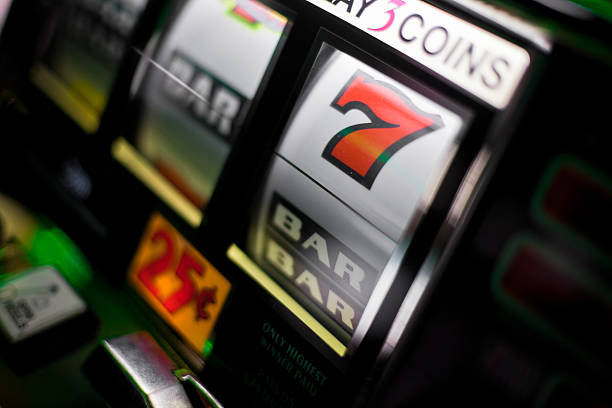
Another prevalent cognitive bias is known as the gambler’s fallacy, where individuals believe that past outcomes affect future ones. For instance, players may think that a particular slot machine is “due” for a win after a series of losses. These misconceptions about chance and probability can lead to irrational decision-making, further driving player behavior in casinos.
Emotions and Their Impact on Gambling Choices
The emotional state of players significantly influences their gambling behaviors. Positive emotions such as excitement and joy can enhance the enjoyment of games, leading players to pursue more aggressive betting strategies. Conversely, negative emotions like stress or sadness may drive individuals to gamble as a form of escape, often resulting in reckless behaviors and larger losses.
This emotional connection to gambling can create a cyclical pattern, where players use casino games to manage their emotions, ultimately leading to compulsive gambling behaviors. Understanding this emotional aspect is critical for both players and casino operators, as it highlights the need for responsible gambling practices and interventions.
Social Influences in Casino Settings
The social environment within casinos also plays a vital role in shaping player behavior. People are inherently social beings, and gambling often takes place in group settings, such as at poker tables or crowded slot machine areas. The presence of others can create a sense of community and shared excitement, enhancing the overall experience.
Additionally, peer pressure and group dynamics can significantly impact individual gambling choices. Players may be more likely to take risks or increase their bets when surrounded by others who exhibit similar behaviors. This social aspect of gambling underscores the complex interplay between individual choices and group influences within casino environments.
This Website and Responsible Gaming
This website aims to provide valuable insights and resources for individuals interested in understanding the psychology of casino games and player behavior. By fostering awareness of the factors influencing gambling decisions, the site promotes responsible gaming practices to ensure a healthy relationship with gambling activities.
Visitors are encouraged to explore the content available here to learn more about the intricacies of player behavior, cognitive biases, and emotional impacts in the gambling world. Together, we can work towards creating a safer and more informed gaming environment for everyone.